

Conduite du Changement Organisationnel
Conduite du Changement Organisationnel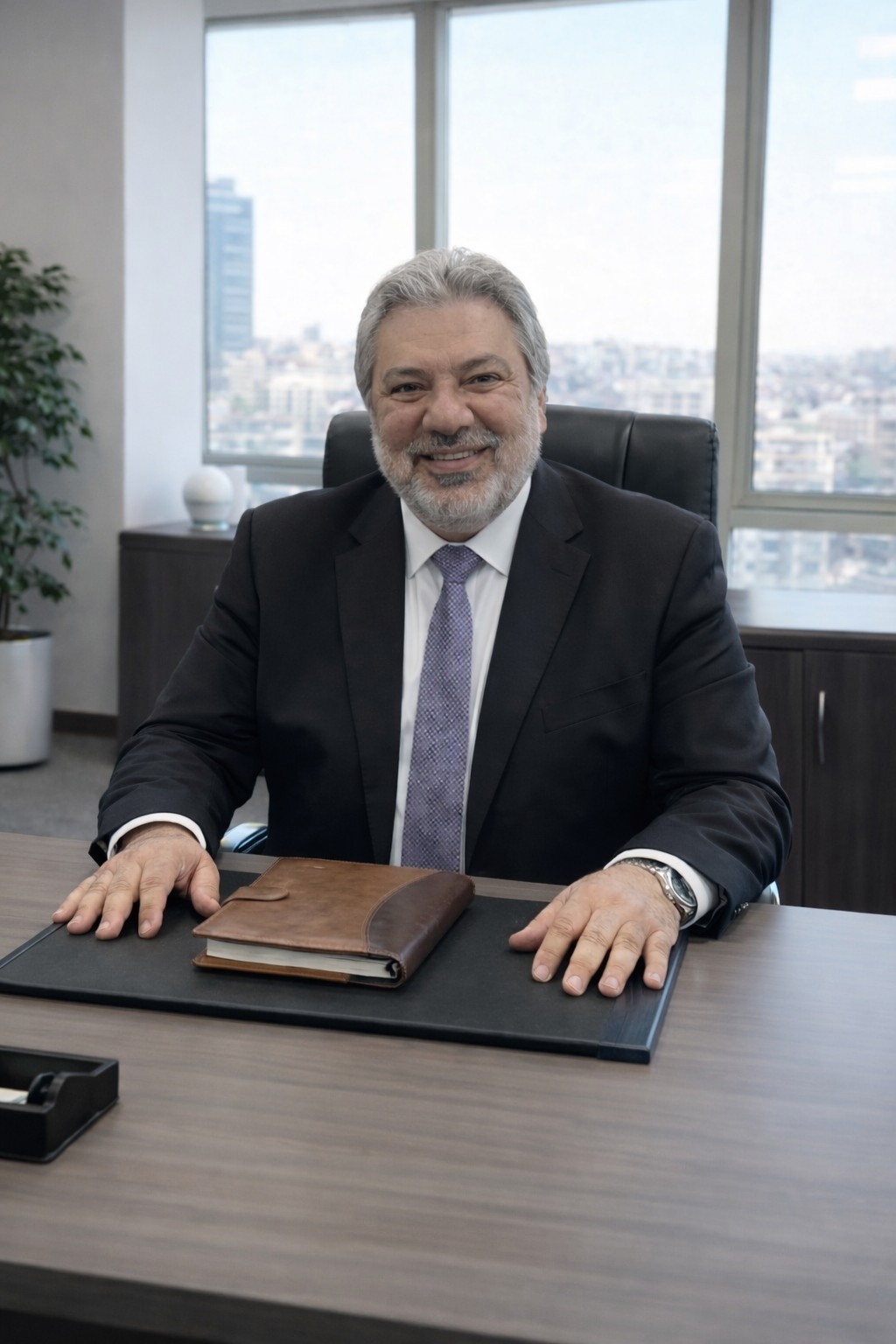
Walid Bergaoui
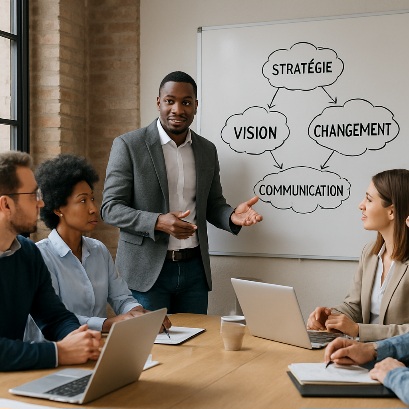
A reorganization, a new tool, a merger, a digital transformation, a new strategy: your organization has to change, and it's up to you to lead the move. You know from experience — it's almost never the technical side that makes a project fail, but the people you forgot to bring along. This training gives you the frameworks, models and concrete tools to lead change rather than be subjected to it: turning a decision into buy-in, resistance into energy, and intention into lasting results on the ground.
The approach is firmly hands-on. You start from what makes change succeed or fail, then learn to make a clear-eyed diagnosis: mapping stakeholders, gauging the organization's readiness and anticipating sticking points. You take ownership of the leading reference models — Lewin, Kotter's 8-step process, ADKAR — not as theory, but as a toolkit you know how to choose from and combine. You then build a mobilizing vision, a communication plan that truly resonates with teams, a sponsorship and relay structure, and a strategy to support resistance rather than fight it.
By the end of the program, you don't leave with concepts, but with a change management plan ready to deploy on your own project: roadmap, communication plan, support structure and tracking indicators. You'll know how to embed new behaviors so they hold over time, measure real adoption and adjust continuously. Whether you're an executive, manager, project lead or HR leader, you gain the stance and the methods that make the difference between a change that's announced and a change that's truly adopted.
An action-oriented training: in each module, you make progress on a concrete case and leave equipped.
Your change roadmap — a structured, tailored plan that applies directly to your transformation project.
A ready-to-use toolkit — stakeholder mapping, communication plan, resistance analysis grid and adoption dashboard.
A change leader's stance — the instincts to engage, reassure and win over your teams.
A fit with your context — each tool is calibrated to the realities of Tunisian organizations and your sector.
A progressive path that takes you from diagnosing a change situation through to embedding it for the long term. At each step, you apply the methods to a real case — ideally your own transformation project — so you leave with an operational plan, not just theory.
1. Why change succeeds or fails — the real levers and the causes of failure, the human dimension, the change curve and the cost of inaction.
2. Diagnose the situation — analyze the context, the organization's readiness, its culture and its capacity to change; identify the gap between the current situation and the target.
3. Map the stakeholders — spot allies, fence-sitters and opponents, gauge their influence and interest, and prepare a targeted engagement strategy.
4. The reference models — Lewin (unfreeze, move, refreeze), Kotter's 8-step process and ADKAR: understanding each one and knowing which to draw on depending on your context.
5. Create urgency and vision — craft a clear and compelling change narrative, give it meaning and build a case that mobilizes beyond mere obligation.
6. Build the roadmap — set milestones for the transformation, define quick wins, sequence the workstreams and build a realistic change management plan.
7. Sponsorship & guiding coalition — engage leadership, rally a steering team and activate a network of relays and change ambassadors.
8. Communicate the change — build a targeted communication plan, choose the right channels and messages, and establish a two-way dialogue with teams.
9. Manage resistance & emotions — understand the sources of resistance, welcome objections and turn obstacles into engagement energy.
10. Train & equip the teams — support skill-building, secure the rollout on the ground and back up frontline managers.
11. Measure adoption — define the key indicators, build a tracking dashboard, gather feedback and adjust the approach continuously.
12. Embed the change for the long term — write new behaviors into the culture and processes, celebrate successes and prevent any backsliding.
Conduite du Changement Organisationnel
Conduite du Changement Organisationnel
No comments yet.
Log in to comment.