

Techniques d’Animation de Réunions
Techniques d’Animation de Réunions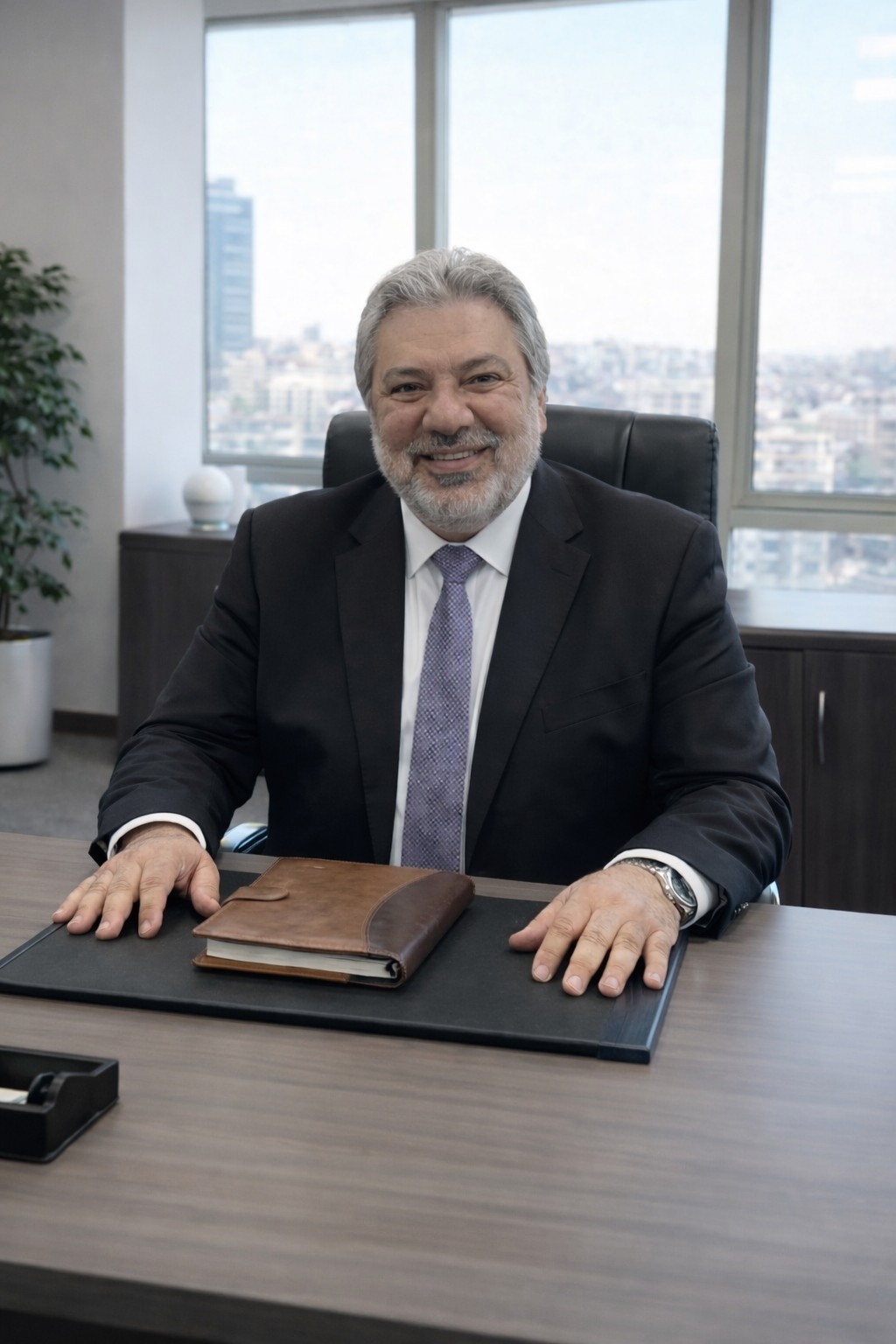
Walid Bergaoui

How many hours do you lose each week in meetings that drag on, wander in every direction, and end without a clear decision? A poorly run meeting is expensive: it costs time, energy, and your teams' motivation. A well-facilitated meeting, on the other hand, becomes a genuine driver of decisions, alignment, and engagement. This training teaches you how to move from one to the other — to take charge of a meeting and turn it into a useful, lively, and productive moment.
The approach is decidedly hands-on. First, you learn how to prepare a meeting that's worth holding: a clear objective, a well-calibrated agenda, the right people invited, and a suitable format. Next, you master the facilitator's stance — opening, framing, distributing speaking time, managing the clock, and refocusing the group without putting people on the defensive. You equip yourself to surface ideas and reach decisions: participatory facilitation techniques, collective decision-making, and handling disagreements and difficult personalities. Finally, you turn discussions into concrete actions with a decision log and a follow-up process that ensures things really move forward after the meeting.
Throughout the program, you practice on real-life cases: a team meeting, a project committee, a remote meeting, a problem-solving workshop. You leave with a complete toolkit — ready-to-use templates, checklists, facilitation techniques — and, above all, with the confidence to hold a group together in any context. By the end of the program, your meetings become shorter, clearer, and more engaging, and your credibility as a facilitator is strengthened.
Far more than principles: concrete tools, ready to use at your very next meeting.
A complete toolkit — preparation templates, a sample agenda, a decision log, and ready-to-use facilitation checklists.
A repertoire of facilitation techniques — to drive participation, surface ideas, and decide as a group, both in person and remotely.
Instincts for handling difficult situations — managing the talkative, the silent, conflicts, and digressions without losing the thread.
Your personal action plan — to immediately apply what you've learned to your own meetings and measure your progress.
A progressive path that follows the real cycle of a meeting: preparing it well, facilitating it with ease, helping the group decide, handling tricky situations, then turning discussions into actions that get followed through. Each session is built on concrete role-play scenarios.
1. Do we really need to meet? — clarifying the objective, choosing the right type of meeting (information, decision, creativity, follow-up), inviting the right people, and setting the appropriate length.
2. The agenda and logistics — building a timed, shared agenda, setting up the room or video conferencing tool, and anticipating materials and roles (facilitator, note-taker, timekeeper).
3. Opening and framing the meeting — starting with impact, setting the ground rules, announcing the objective and the flow, and creating a climate of trust from the very first minutes.
4. Facilitating, listening, and rephrasing — distributing speaking time fairly, practicing active listening, rephrasing to clarify, and keeping the group focused on what matters.
5. Participatory facilitation techniques — round-table sharing, brainstorming, breakout group work, sticky notes, and other methods to surface everyone's ideas.
6. Mastering time and energy — keeping to the schedule, refocusing after a digression, re-energizing a tired group, and wrapping up each item before moving to the next.
7. Making collective decisions — decision-making methods (consensus, voting, advisory input), arbitrating clearly, and securing the group's buy-in.
8. Difficult personalities and tensions — managing the talker, the silent one, the chronic opponent, and conflicts, defusing tension, and bringing the debate back to something constructive.
9. Closing and formalizing — summarizing the decisions, writing a clear decision log (who does what, by when), and closing on a positive note.
10. Follow-up and remote meetings — ensuring action items are followed up after the meeting, and adapting all these techniques to the specifics of facilitating over video conferencing.
Techniques d’Animation de Réunions
Techniques d’Animation de Réunions
No comments yet.
Log in to comment.