

Introduction à l'intelligence artificielle
Introduction à l'intelligence artificielle
Walid Bergaoui
Connectez-vous pour commenter.
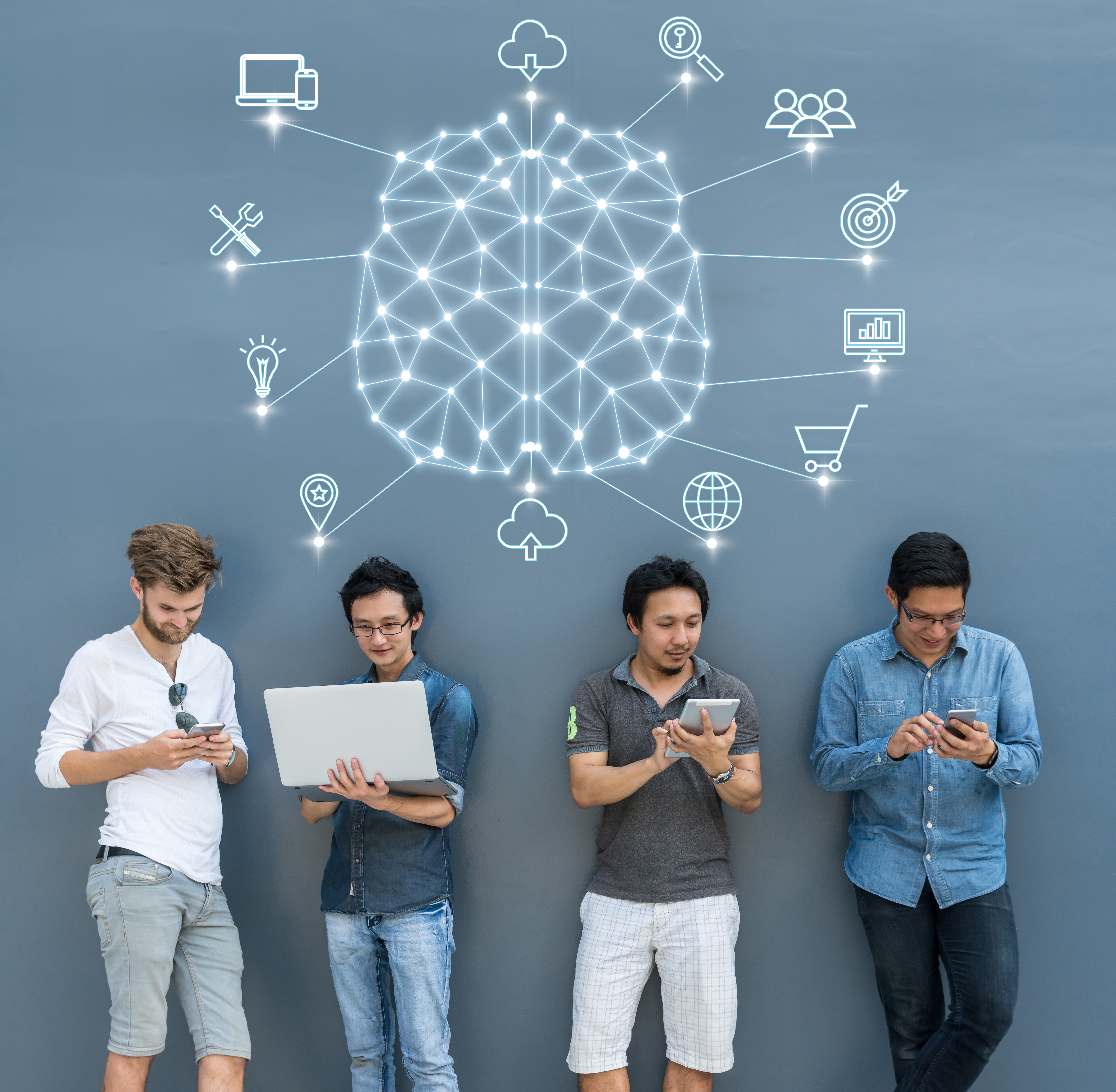
لم يعد الذكاء الاصطناعي وعدًا بعيدًا: إنه رافعة يمكنك تفعيلها منذ اليوم لتوفير الوقت واتخاذ قرارات أفضل وإنجاز المزيد بنفس الموارد. تنطلق هذه الدورة من مبدأ بسيط: الذكاء الاصطناعي لا يحل محلك، بل يعزز قدراتك. تبقى أنت في موضع القيادة — فالرؤية والخبرة المهنية والحكم كلها ملكك — وتتعلم كيف تجعل من الذكاء الاصطناعي مساعدًا حقيقيًا في عملك اليومي. لا حاجة إلى متطلبات تقنية مسبقة: ننطلق من الصفر، ونشرح كل شيء بوضوح، وتتحول كل فكرة إلى مهارة يمكنك استخدامها في اليوم التالي.
المقاربة عملية بشكل صريح. تفهم أولًا ما هو الذكاء الاصطناعي حقًا، وكيف «يفكر»، وما الذي يستطيع فعله وما الذي لا يستطيع فعله — لاستخدامه بوعي بدلًا من الخضوع له. ثم تكتشف عائلاته الكبرى: الذكاء الاصطناعي التوليدي الذي يكتب النصوص والصور والأفكار، والذكاء الاصطناعي الحواري للمساعدين وروبوتات الدردشة، والذكاء الاصطناعي التنبؤي الذي يستشرف، والذكاء الاصطناعي التحليلي الذي يحوّل بياناتك إلى قرارات. والأهم أنك تنتقل إلى التطبيق العملي: أتمتة المهام المتكررة، والكتابة بشكل أسرع وأفضل، ومعالجة المعلومات وتصنيفها، ودعم تحليلاتك وترسيخ موثوقية خياراتك. ولأن الإتقان الجيد يستلزم بعض المسافة النقدية، تتعلم أيضًا الحدود والأخطاء الواجب تجنبها والاستخدام الأخلاقي والمسؤول.
في نهاية المسار، لن يعود الذكاء الاصطناعي صندوقًا أسود مرعبًا، بل أداة مألوفة مدمجة بشكل طبيعي في عملك. ستعرف كيف تختار الذكاء الاصطناعي المناسب للحاجة المناسبة، وكيف تعطيه تعليمات تنتج بالضبط ما تتوقعه، وكيف تحافظ على الروح النقدية التي تصنع الفرق بين استخدام خاضع واستخدام متقن. ستغادر بردود فعل راسخة وحالات استخدام قابلة للتطبيق فورًا — لتحويل أفكارك إلى أفعال ذات أداء عالٍ.
أكثر بكثير من مجرد مفاهيم: استقلالية حقيقية تجعل من الذكاء الاصطناعي حليفك اليومي.
بوصلة واضحة — تفهم العائلات الكبرى للذكاء الاصطناعي وتعرف فورًا أيها تختار لأي حاجة.
حالات استخدام جاهزة للتطبيق — الكتابة والأتمتة ومعالجة البيانات ودعم اتخاذ القرار، قابلة للتطبيق منذ اليوم التالي.
فن حسن الطلب — موجّهات فعّالة للحصول بالضبط على ما تريد، من المحاولة الأولى.
رد الفعل النقدي السليم — رصد الحدود وتجنب الفخاخ واستخدام الذكاء الاصطناعي بطريقة أخلاقية ومسؤولة.
مسار تدريجي بلا متطلبات مسبقة: ننطلق من الصفر لفهم الذكاء الاصطناعي، ونستكشف عائلاته الكبرى، ثم نضعه فعليًا قيد العمل — قبل ترسيخ ردود الفعل السليمة والروح النقدية التي تصنع كل الفرق.
1. الذكاء الاصطناعي، ما هو بالضبط؟ — تبديد الغموض حول الذكاء الاصطناعي، والتمييز بين الأساطير والواقع، وإرساء المبدأ الموجّه: الذكاء الاصطناعي يعزز الإنسان، ولا يحل محله.
2. كيف «يفكر» الذكاء الاصطناعي — البيانات والتعلّم وتعلّم الآلة مشروحة ببساطة؛ ما الذي يحدث فعلًا عندما ينتج الذكاء الاصطناعي إجابة.
3. قوة الذكاء الاصطناعي وحدوده — ما الذي يجيد فعله جدًا، وما الذي لا يستطيع فعله، ولماذا يعتمد على جودة البيانات والسياق.
4. الذكاء الاصطناعي التوليدي والحواري — إنتاج النصوص والصور والأفكار والبرمجيات؛ والتحاور مع المساعدين وروبوتات الدردشة لتسريع العمل اليومي.
5. الذكاء الاصطناعي التنبؤي والتحليلي — استشراف السلوكيات، والتنقيط، ورصد الاتجاهات، وتحويل أحجام كبيرة من البيانات إلى رؤى مفيدة.
6. فن الموجّه — صياغة تعليمات واضحة ودقيقة للحصول بالضبط على النتيجة المنتظرة، من المحاولة الأولى.
7. أتمتة المهام المتكررة — تفويض الكتابة ورسائل البريد الإلكتروني وتصنيف المعلومات وإعداد التقارير لتحرير الوقت وتقليل الأخطاء.
8. الذكاء الاصطناعي كأداة لدعم القرار — استثمار التحليل لترسيخ موثوقية توقعاتك، وتحسين إجراءاتك، ودعم استراتيجيتك.
9. التحقق والتصحيح والحفاظ على الروح النقدية — رصد الأخطاء و«الهلوسات»، وتقاطع المعلومات والتحقق منها قبل استخدام أي نتيجة.
10. الذكاء الاصطناعي والأخلاق والاستخدام المسؤول — البيانات الشخصية والتحيزات والحقوق والممارسات الجيدة لدمج الذكاء الاصطناعي بشكل مستدام في أنشطتك.
Introduction à l'intelligence artificielle
Introduction à l'intelligence artificielleConnectez-vous pour commenter.
كن أول من يعلق.